







Accelerating More Sustainable EV Battery Design Processes from Molecules to Neighborhoods
As the global transition to electric mobility accelerates, the world faces a defining question: can we build a battery-powered future that is not only low-carbon, but also low-toxic, equitable, and regenerative? In this webinar, the Collaboratory for… …


GreenScreen Certified® Joins EPA’s Recs for Sustainable Federal Purchasing
We are delighted to announce that several GreenScreen Certified® Standards have been recognized and included in the EPA’s Recommendations of Specifications, Standards, and Ecolabels for Federal Purchasing. This recognition highlights… …

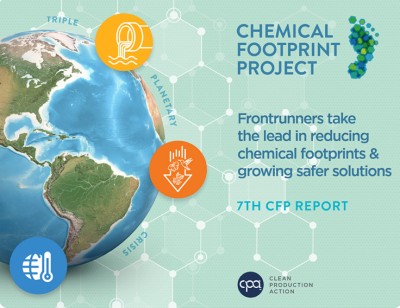
Walmart, Whole Foods Market, Grove Collaborative, Clorox, and Ecolab are first-time Frontrunners in 7th Chemical Footprint Project Report
The 7th Chemical Footprint Project (CFP) Report released today by Clean Production Action documents how some of the largest companies in the world with $1.2 trillion in annual revenue reduced their chemical footprints, use of chemicals of high… …
GreenScreen 2024: Celebrating Success and Closing the Year Strong!
Hey there! Chris here from Clean Production Action, it’s been great to be part of the CPA team for the past year. Since joining in March, we've been making a lot of great progress with the GreenScreen program. I want to share some key… …