


Resources Summary
Hazardous chemical exposure is not inevitable. New research shows chemical inequality can be measured, traced, and prevented—advancing healthier communities through science, accountability, and safer solutions.
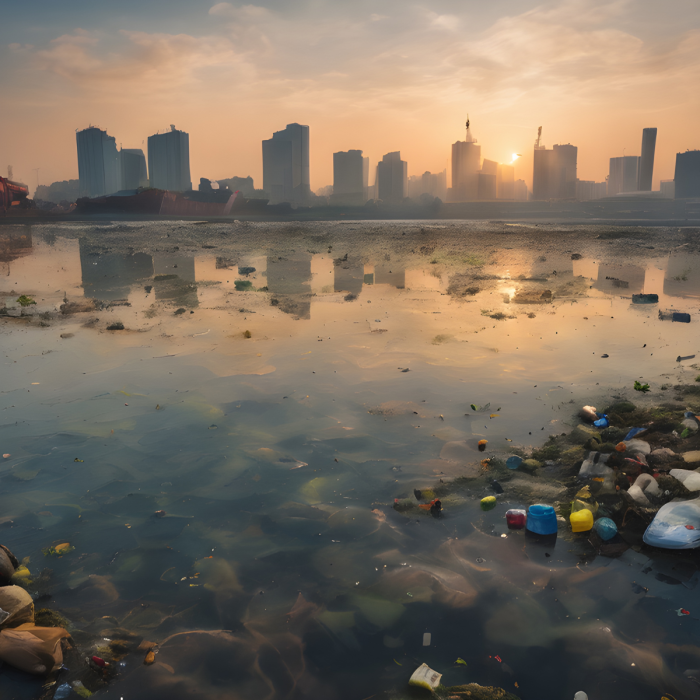
Chemical injustice is often discussed in moral terms. It is equally a scientific problem—one that can be quantified, traced, and, crucially, prevented.
Decades of research show that hazardous chemical exposures in the United States are not evenly distributed. Black communities and other communities of color experience higher exposure to toxic substances in air, water, soil, workplaces, and consumer products. These disparities are not accidental. They are the cumulative result of residential segregation, discriminatory zoning, uneven regulatory enforcement, and industrial systems that externalize risk onto those with the least political power.
Black History Month offers an opportunity not only to remember past injustice, but to examine how structural inequities continue to operate through less visible mechanisms—particularly chemistry.
The Data Behind Unequal Exposure
Multiple federal and peer-reviewed studies confirm that communities of color face disproportionate chemical burdens.
Black Americans are significantly more likely than white Americans to live near hazardous waste facilities and industrial sites that emit toxic pollutants. A national analysis found that Black Americans are approximately 75 percent more likely than the average American to live in “fence-line” communities near hazardous waste facilities, increasing exposure to heavy metals, industrial solvents, and persistent toxic chemicals that bioaccumulate over time (1).
Children are especially vulnerable. Research shows that Black children are two to four times more likely than white children to suffer from lead poisoning, a disparity linked to older housing stock, contaminated soil, aging water infrastructure, and inadequate remediation (2). Biomonitoring data from the U.S. Environmental Protection Agency (EPA) consistently indicate that Black children ages one to five have higher median blood lead levels than white children, including at the upper percentiles associated with long-term cognitive and developmental impairment (3).
Air pollution compounds these risks. Peer-reviewed studies demonstrate that racially segregated neighborhoods experience significantly higher concentrations of toxic airborne pollutants, including fine particulate matter (PM₂.₅) and heavy metals, even when overall regional pollution levels are similar (4). This means that communities of color are often exposed not only to more pollution, but to more dangerous pollution.
Disparities are also evident in drinking water. National studies have found that unregulated industrial contaminants—such as per- and polyfluoroalkyl substances (PFAS) and carcinogens like 1,4-dioxane—are more likely to be detected in drinking water systems serving higher proportions of Black and Hispanic residents (5). These substances are linked to cancer, immune dysfunction, endocrine disruption, and adverse reproductive outcomes.
Taken together, these data reveal a consistent pattern: chemical risk follows the same historical fault lines as racial and economic inequality.
This is what we call the chemical footprint of injustice .
Why Regulation Alone Has Fallen Short
The United States regulates chemicals largely one substance at a time, often only after harm has occurred. Tens of thousands of chemicals remain in commerce with limited toxicity data, and regulatory action under the Toxic Substances Control Act (TSCA) has historically been slow and incomplete. This reactive framework allows hazardous substances to circulate through supply chains and communities long before risks are fully understood or addressed (6).
For communities already burdened by cumulative exposure, regulatory delay translates directly into preventable disease and lost life potential.
Chemical justice therefore cannot rely solely on cleanup and remediation. While necessary, remediation addresses harm after it has occurred. The scientific consensus is clear: primary prevention—eliminating hazardous chemicals at the design and production stage—is the most effective and equitable approach (7).
Measuring What Has Been Invisible
At Clean Production Action (CPA), we approach chemical injustice as a systems problem—one that requires upstream, science-based solutions. Dismantled injustice, must be measurable.
That principle underpins the Chemical Footprint Project (CFP), a corporate disclosure and benchmarking initiative that enables companies and investors to measure, manage, and reduce their use of chemicals of high concern (8). By embedding transparency into procurement and product design, CFP shifts chemical decision-making from reaction to prevention.
This approach matters for equity. When hazardous chemicals are eliminated upstream, they never reach factory floors, consumer products, or waste streams that disproportionately impact marginalized communities. Measurement changes behavior, and behavior change reduces exposure.
This is applied science in service of justice.
A Case Study in Chemical Inequality: Cancer Alley
Few places illustrate the chemical footprint of inequality more starkly than “Cancer Alley,” an approximately 85-mile industrial corridor along the Mississippi River between Baton Rouge and New Orleans.
The region hosts more than 150 petrochemical facilities and is home to many predominantly Black communities, several founded by formerly enslaved people. Federal data and independent analyses show that residents face significantly elevated cancer risks from air toxics, in some census tracts dozens of times higher than national averages (9). Despite decades of documentation, industrial expansion has continued, often with limited community consent and inadequate health protections.
Cancer Alley is not an anomaly. It is an extreme but revealing example of what happens when chemical risk is normalized and prevention is absent from industrial design.
From Moral Vision to Scientific Infrastructure
Black History Month reminds us that progress is not accidental. The civil rights movement advanced because moral clarity was paired with organization, funding, and durable systems that translated values into law and practice.
Chemical justice demands the same rigor.
It requires moving beyond language and into standards.
Beyond concern and into metrics.
Beyond intention and into chemistry.
The future of equality will not be written only in legislation or court rulings. It will also be written in molecular substitutions, supply-chain transparency, and preventive design.
A society that measures harm can reduce it.
A society that ignores harm inherits it.
A Call to Action:
1. You can support our work by donating to Clean Production Action.
2. If you are part of your corporate leadership, you can get your corporation to participate in our Chemical Footprint survey to see what your footprint reveals. This would help the corporation start down the path of strategizing away from hazardous supply chains and mitigate chemical injustice. We also ask that you support the Chemical FootPrint by being a signatory.
A Derreckism:
“Justice that cannot be measured cannot be protected—and justice that cannot be protected will always be postponed.”
References
1. Bullard, R. D., Mohai, P., Saha, R., & Wright, B. (2007). Toxic wastes and race at twenty: Why race still matters after all of these years. Environmental Law, 38(2), 371–411.
2. Lanphear, B. P. et al. (2005). Low-level environmental lead exposure and children’s intellectual function: An international pooled analysis. Environmental Health Perspectives, 113(7), 894–899.
3. U.S. Environmental Protection Agency. America’s Children and the Environment: Biomonitoring—Lead. EPA.
4. Bravo, M. A. et al. (2016). Racial isolation and exposure to airborne particulate matter and ozone in the United States. Environmental Health Perspectives, 124(12), 1957–1965.
5. Schulz, A. J. et al. (2023). Drinking water contamination and environmental justice in the United States. Environmental Health Perspectives, 131(2).
6. Denison, R. A. (2017). Ten essential elements in TSCA reform. Environmental Law Reporter, 47(4).
7. Tickner, J. A., Geiser, K., & Kriebel, D. (2016). The precautionary principle and primary prevention. Environmental Health Perspectives, 109(9), 871–876.
8. Clean Production Action. The Chemical Footprint Project: Measuring and reducing corporate chemical risk.
9. U.S. Environmental Protection Agency. National Air Toxics Assessment (NATA); see also ProPublica analysis of cancer risk estimates in Louisiana’s industrial corridor.